❄️ Hunting, Ice, and Igloos: Seth Kantner’s Arctic Life
What’s it like to grow up in a sod igloo on the frozen tundra, hunting for survival and hauling ice instead of flipping on a faucet? In this episode, I had the privilege of speaking with Seth Kantner acclaimed author, photographer, and lifelong Alaskan about a way of life that most people can’t imagine, and few could survive.
Raised in the remote wilderness of Arctic Alaska, Seth lived off the grid, surrounded by caribou herds, vast silence, and the Inupiat culture. From a young age, his life was defined by subsistence hunting, cold so deep it broke shovels, and a rhythm set not by clocks, but by seasons and the movement of animals.
🐾 Living Close to the Land
Seth shared vivid, raw stories from his youth tracking caribou, hauling water through snowstorms, and learning to live by instinct and necessity. His father, an early homesteader and naturalist, played a huge role in shaping his worldview including killing bears, tanning hides, and ensuring the family survived Alaska’s brutal winters.
We spoke about how hunting wasn’t sport, it was survival and how in that context, every animal had value, even those that might shock outsiders.
😮 Eating Lynx (Yes, Really)
One of the most surprising moments for me was when Seth talked about eating lynx. Yes the wild cat.
What caught me off guard wasn’t just that they ate lynx it was that the meat was white.
“It’s like eating chicken,” Seth told me, describing the lean, pale meat of this elusive Arctic predator.
It was a moment that really drove home the resourcefulness and sometimes harsh reality of living in the wild. When you’re days from the nearest road and your survival depends on what’s available, you use everything.
📚 Writing from the Wild
Seth isn’t just a hunter he’s a gifted writer whose work paints the Arctic not as a frozen wasteland, but a vibrant, deeply alive landscape. We talked about his most well-known book, Ordinary Wolves, a coming-of-age novel that draws heavily on his own experience growing up between cultures Inupiat and white, wild and modern.
His other books, like A Thousand Trails Home and Shopping for Porcupine, explore similar themes: loss, resilience, and identity in a land undergoing deep change.
🧊 A Moment of Pain: Losing His Dog
One of the hardest stories Seth shared was about the day he had to shoot his own dog not out of cruelty, but necessity. The dog had broken through ice and was drowning in freezing water. Seth was trying to save it, but it became clear there was no way out. He made the agonizing choice to end the suffering.
It was a raw, emotional moment that underlined the harsh realities of Arctic life where nature doesn’t wait, and compassion can sometimes look like heartbreak.
🌘 Life Without Light
We also spoke about the psychological landscape of the Arctic what it’s like to go through months of darkness, when the sun doesn’t rise, and the world is lit only by memory, stars, and the glow of a fire. Seth described how the darkness changes people, how the silence can feel both comforting and intense, and how it shapes the way you see time, space, and even yourself.
📖 Learn More About Seth
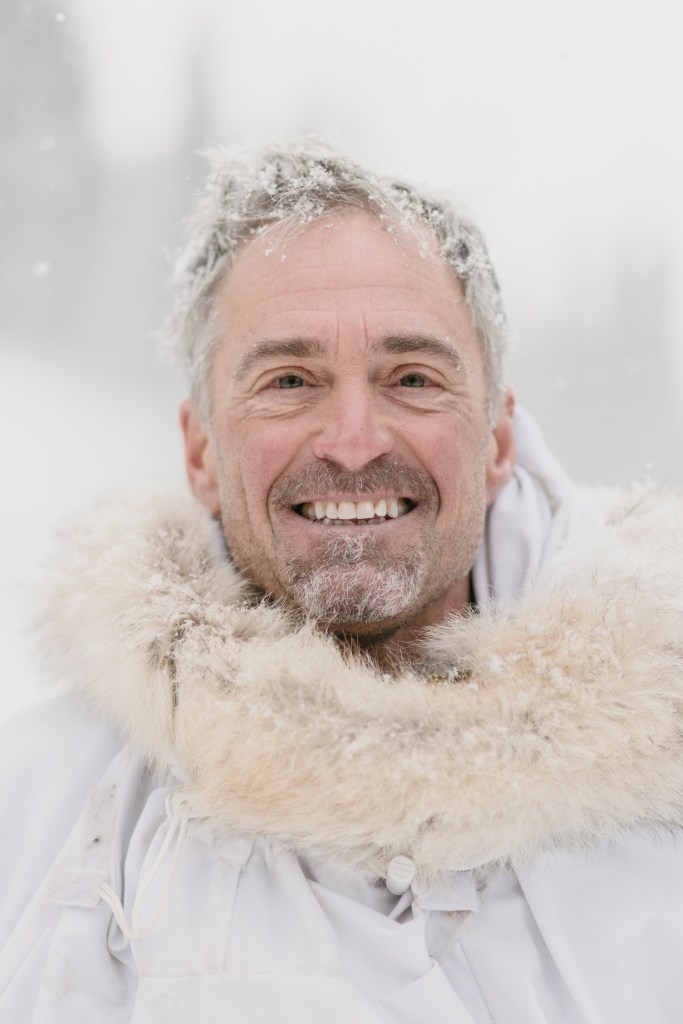
Seth’s work is not just about storytelling it’s about preserving a way of life that is rapidly disappearing. He continues to live in the Alaskan bush, commercial fishing, photographing, and writing with a voice that feels carved out of the tundra itself.
🔗 Visit his website: sethkantner.com
🏹 Final Thoughts
This episode offers a rare window into a life far removed from modern convenience. Seth Kantner’s story is one of survival, respect for the land, and deep cultural connection. Whether he’s talking about eating lynx, shooting caribou, or hauling his own drinking water across the ice, every word is rooted in authentic experience.
I walked away from this conversation thinking differently about the wild and about what it really means to belong to a place.
Click to Listen Now ↓


 itsawildlife.blog
Leave a comment