
My Journey Into the village above the clouds
Introduction
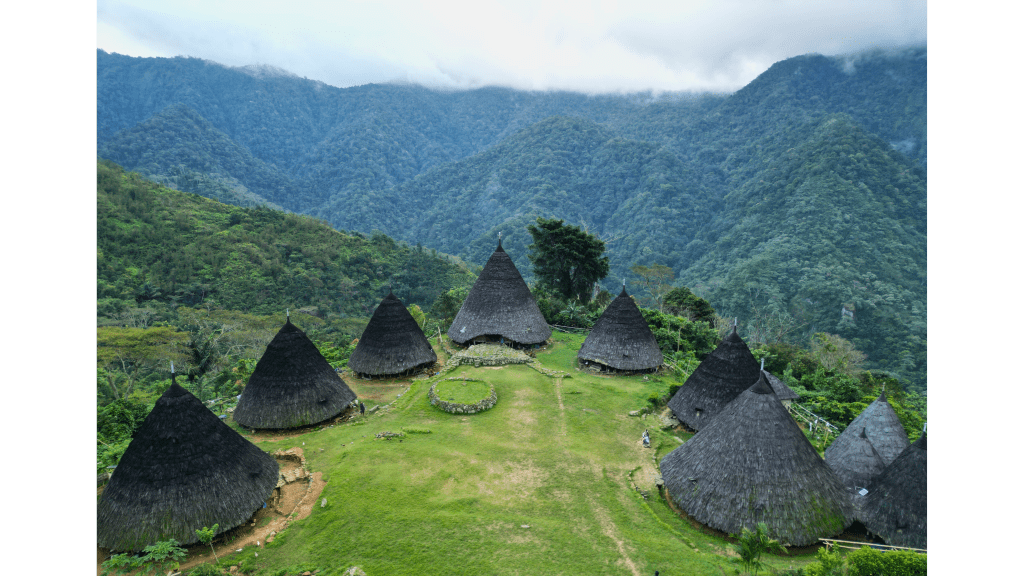
Nestled 1,200 meters above sea level in the remote mountains of Flores, Indonesia, Waerebo Village is a place like no other. Known as the village above the clouds, it’s a living testament to the harmony between culture, nature, and tradition. My adventure to this remarkable village was both challenging and unforgettable, leaving me with a deep appreciation for its way of life.
Labuan Bajo to the Unknown
My journey started in Labuan Bajo, a coastal town often associated with trips to Komodo National Park. Little did I know the adventure ahead of me would involve navigating winding roads, dense jungle, and steep mountain paths.
After booking the trip with a local tour office, I set off early in the morning. The drive took 4.5 hours, heading east through lush valleys and rugged terrain. We eventually reached Dintor, a small village where the road ended. From here, we waited in a rustic shack for locals who would guide us further.
The Thrill of the Ride: Jungle Roads by Motorbike
Our next leg of the journey was a 15-minute motorbike ride that felt much longer. Clinging tightly to the back of the bike, I braced myself as we navigated narrow jungle tracks. The ride was bumpy and adrenaline-inducing, with every twist and turn a reminder of how remote this village truly is.
At the end of the motorbike trail, the jungle swallowed us whole. The road was gone, and only a steep, muddy trail remained.

The Grueling Hike: Into the Heart of the Jungle
What lay ahead was a four-hour trek through dense rainforest. The humid air clung to my skin, sapping my energy with every step. Streams of crystal-clear water tumbled down from the mountains, offering a much-needed chance to cool off.
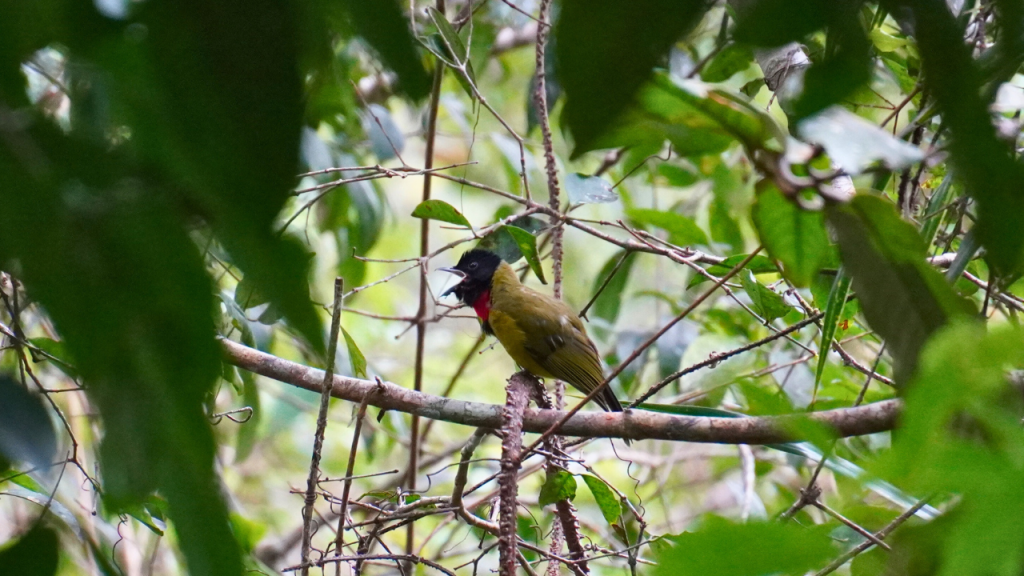
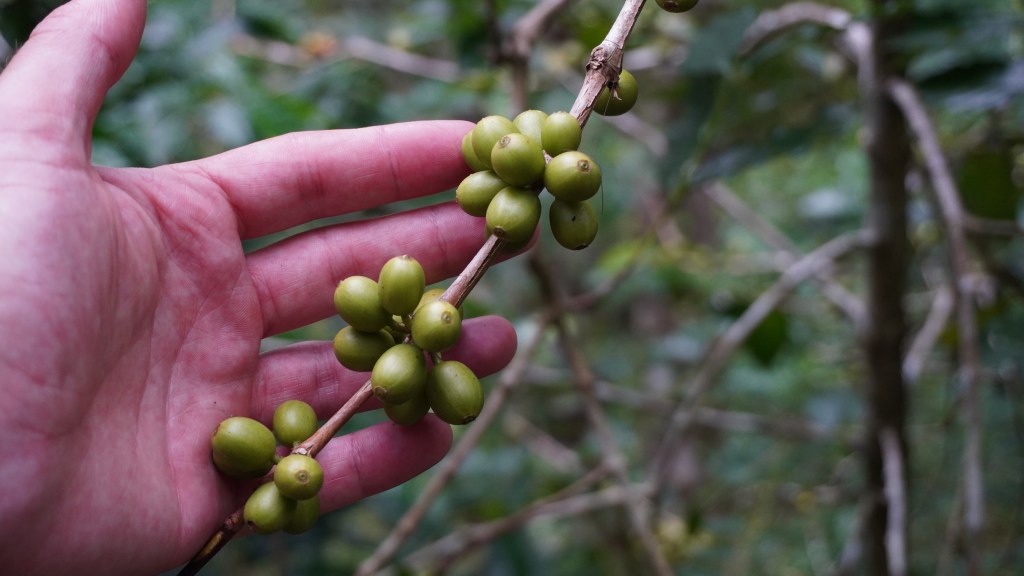
The track was surrounded by towering trees and vibrant greenery, punctuated by occasional clearings where I could glimpse clouds drifting past. Birdsong filled the air, and I even spotted a group of monkeys swinging high in the canopy. As I neared the village, coffee plants scattered along the path signaled that I was getting close.
Arrival at Waerebo: A Village Above the Clouds
Before entering the village, our guide informed us of an important custom: no photos were allowed until after we had met the village chief and participated in a welcoming ceremony.
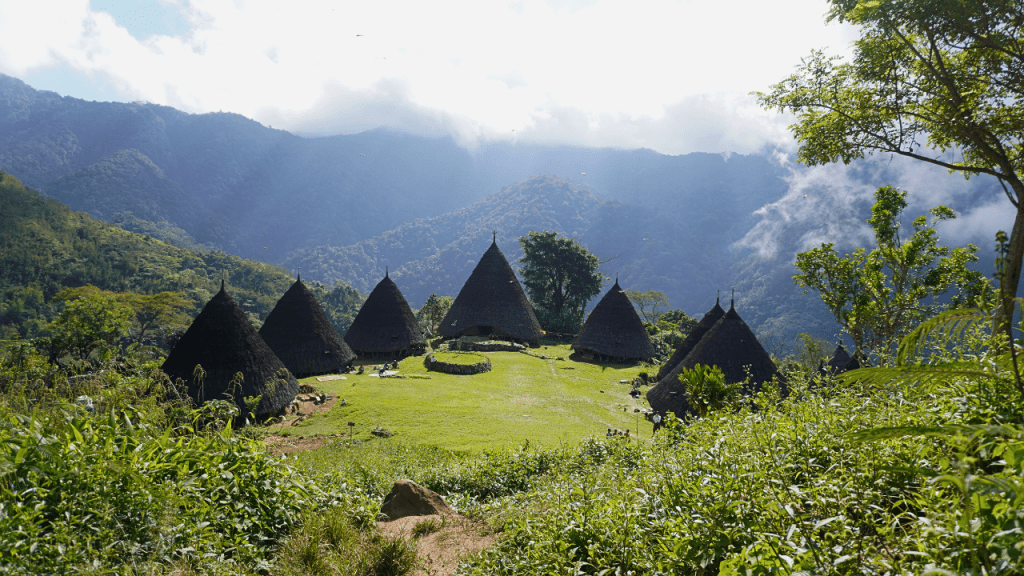
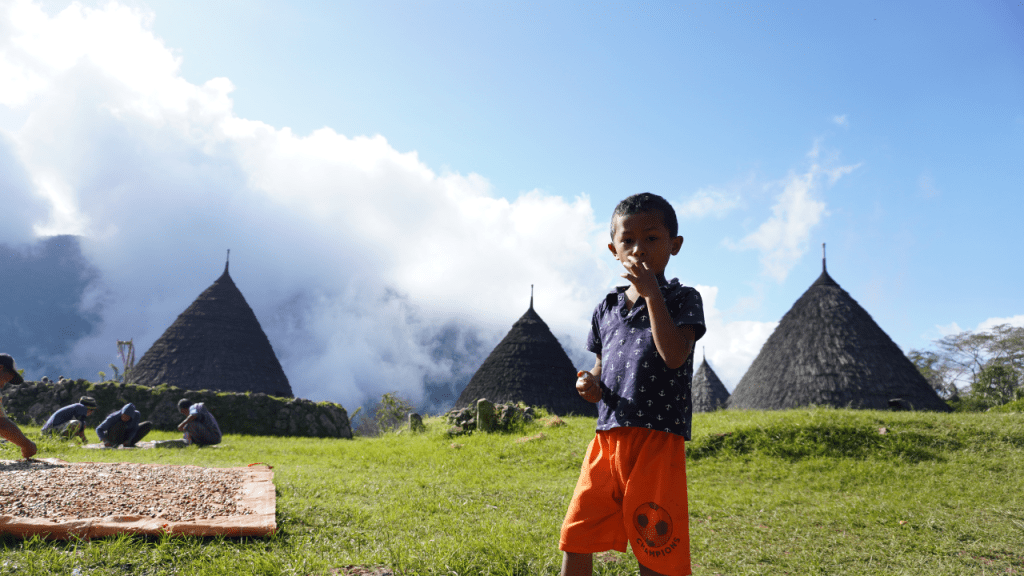
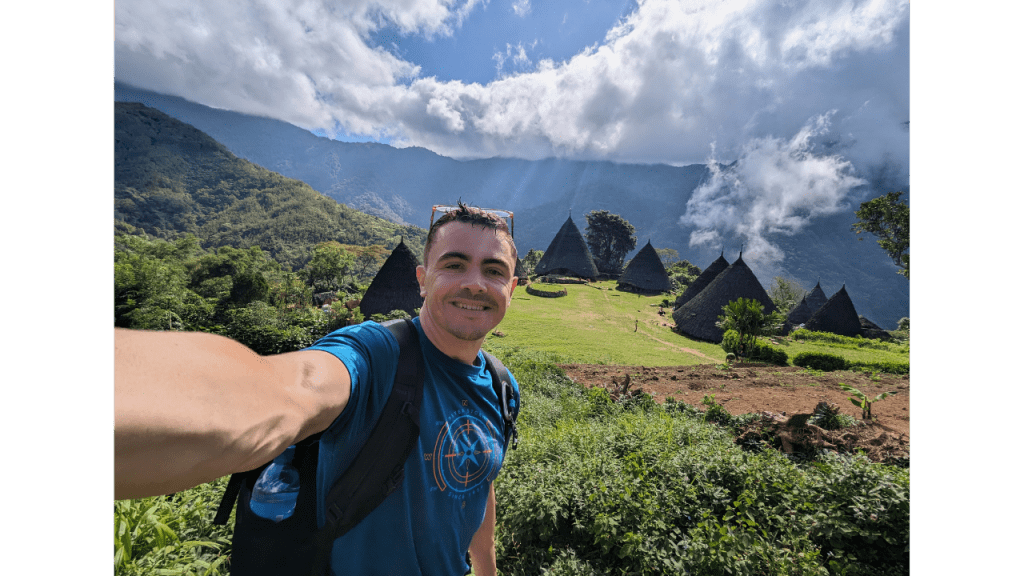
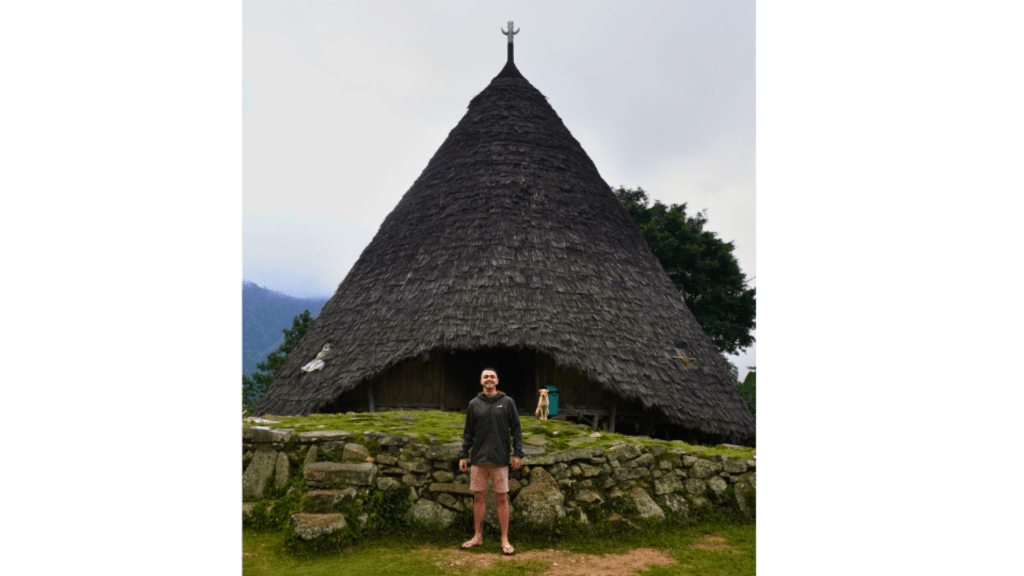
When we emerged from the dense jungle, the sight of Waerebo took my breath away. The village consists of seven traditional cone-shaped houses called Mbaru Niang, arranged in a circular formation around a grassy clearing. These architectural marvels are built from bamboo, wood, and palm fibers, with tall roofs designed to withstand the heavy rains and winds of the region.
Waerebo’s history traces back more than 100 years, with the original settlers led by Empo Maro, a figure believed to have founded the village after migrating from Manggarai. Today, Waerebo remains a cultural treasure, preserving the traditions of its ancestors.
The Welcome Ceremony: A Cultural Tradition
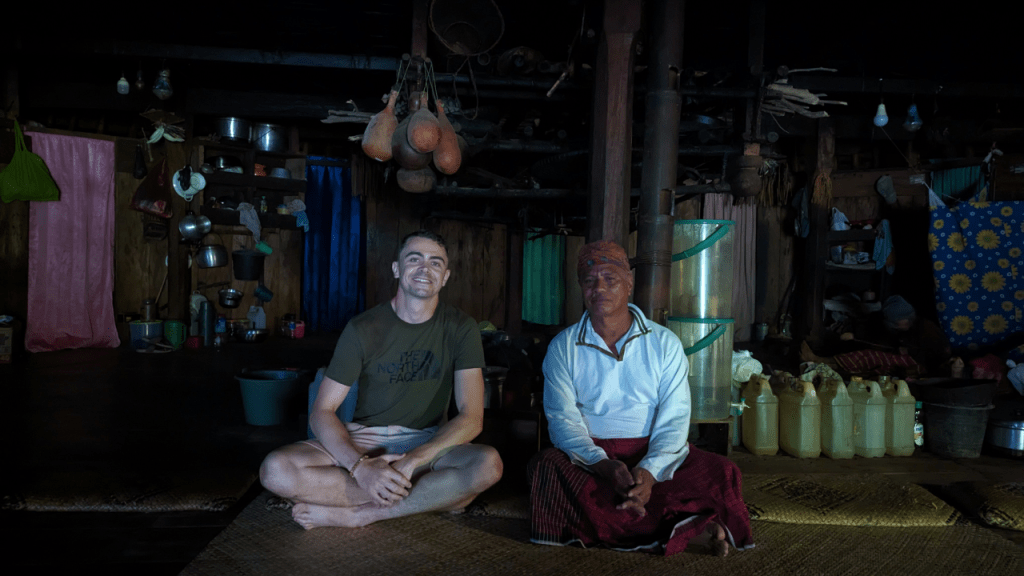
We were led to the largest hut, the Niang Gendang, where the village chief resides. Inside, the air was thick with smoke from a fire in the center. We sat cross-legged as the chief performed the Wae Lu’u ceremony, a ritual to welcome outsiders and seek blessings from the ancestors.
This deeply spiritual moment gave me insight into the villagers’ beliefs, which blend animism with Catholicism, reflecting the influence of missionaries in the region.
When we arrived, I was struck by the silence. I expected a bustling operation filled with backpackers, but instead, it was just me, Diana (the hatchery manager), and Clare, a technician. The facility, with its large kitchen and multiple rooms, seemed over prepared for such a small team. I learned this beautiful, secluded location had once been the main base for Clipper Pearls but was now used exclusively by the hatchery team. Set on private Aboriginal land, it was a wildlife haven—a dream come true for someone like me. The bay was alive with creatures, and every day promised something new and extraordinary.

Daily Life in Waerebo: Coffee and Community
After the ceremony, I explored the village. The villagers primarily grow coffee, which is laid out to dry in the sun before being sorted by hand. Coffee farming is the backbone of Waerebo’s economy, with the beans prized for their rich flavor.
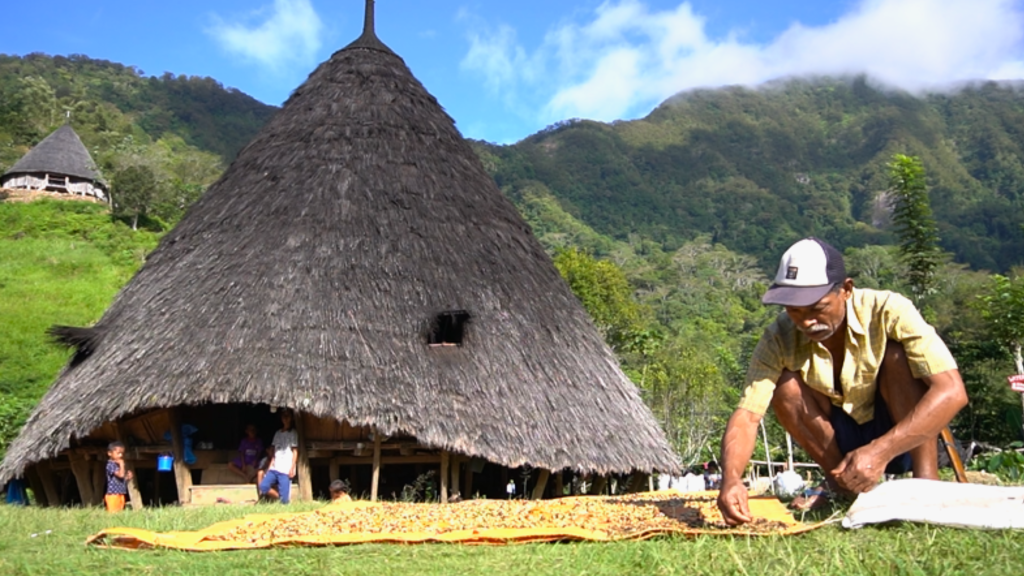
Life here is simple and deeply connected to nature. Children played freely, elders shared stories, and families worked together to sustain their unique way of life. That evening, we were served a simple but delicious meal of rice, vegetables, and freshly brewed coffee. vening, especially during spawning season, which was timed with the full moon.
A Night Under the Stars
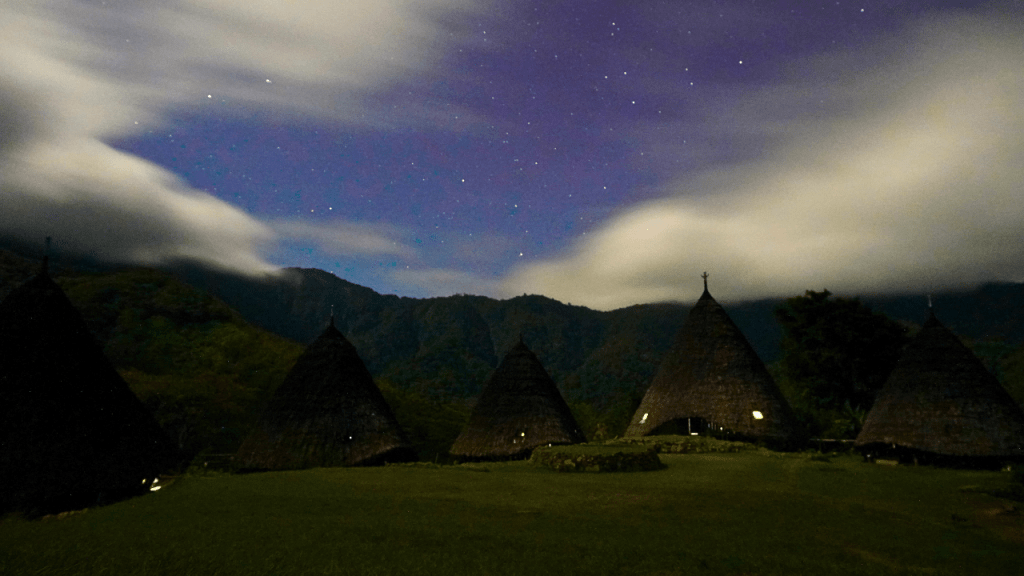
As night fell, Waerebo transformed into an even more magical place. The clouds dispersed, revealing a breathtaking view of the Milky Way. I stayed up late with my guide, who shared my passion for photography. No camera could truly capture the awe-inspiring beauty of the starlit sky it’s a memory I’ll treasure forever.

Farewell to Waerebo
The next morning, I experienced a traditional shower with icy water from a bucket, a refreshing way to start the day. As much as I wanted to linger, the journey back awaited.
Leaving Waerebo was bittersweet. This village, with its timeless traditions and warm hospitality, gave me a glimpse into a way of life that feels increasingly rare in our modern world.
Final Thoughts
Waerebo Village is more than just a travel destination it’s a place where culture, nature, and tradition come together in perfect harmony. My journey there challenged me physically and rewarded me spiritually, leaving me with a deep respect for the people who call this mountain village home.
If you ever find yourself in Flores, don’t miss the chance to visit Waerebo. It’s a once in a lifetime experience that will stay with you forever.


 itsawildlife.blog
Leave a comment