My Journey Into the Pearling Industry
Introduction
In 2015, I began an incredible adventure that would lead me deep into the heart of Australia’s pearling industry. It all started with a one-way ticket to Brisbane and an old Ford Falcon with over 400,000 kilometers on the clock. What followed was a story of determination, chance encounters, and a leap into the unknown that changed my life.
The Spark of an Idea
While staying at a hostel in Cairns, I met a traveler who had worked for Paspaley Pearls. As he described life on a boat at sea, I was captivated. I couldn’t stop thinking about it and decided I had to experience it for myself. The journey began with an email to Paspaley’s Darwin office, inviting me to apply in person. There was just one problem: Darwin was thousands of kilometers away.
The Long Drive to Darwin
Undeterred, I packed my life into my trusty Ford Falcon and hit the road. The drive through central Australia was gruelling long stretches of desert, blazing heat, and termite mounds as far as the eye could see. But the thought of working in the pearling industry kept me going.
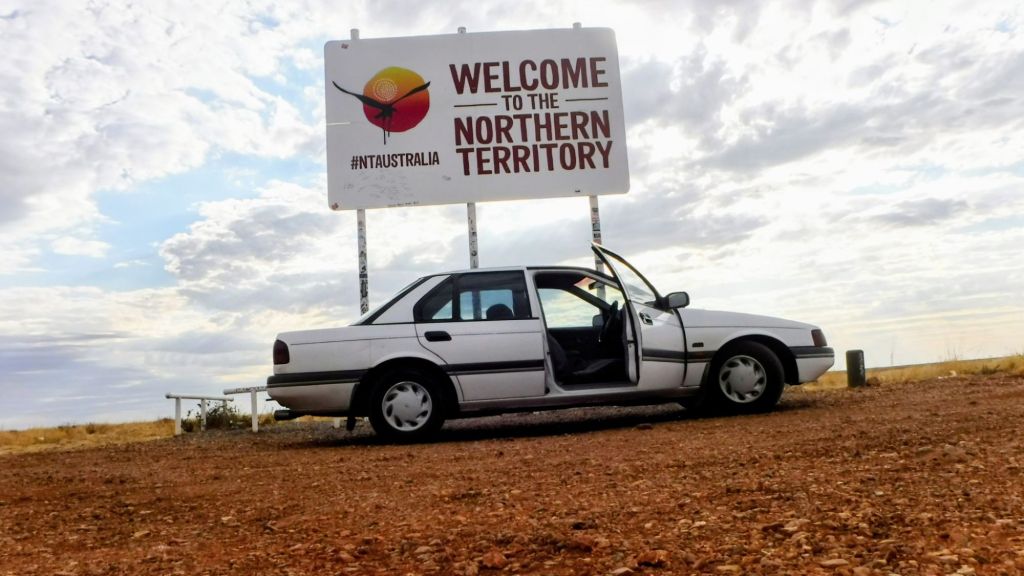
Once in Darwin, I walked into Paspaley’s office and signed up. Unfortunately, they couldn’t say when a position would open. I lingered in Darwin’s oppressive heat for two weeks, hoping for a call. When none came, I decided to head back to Townsville. Ironically, the moment I arrived, Paspaley called with an offer to start the next day. My heart sank. Being in Townsville, I couldn’t make it back to Darwin in time.
A Second Chance
Months later, while doing farm work in a small town called Perenjori, I stumbled upon a job posting for a hatchery technician with Clipper Pearls. Determined not to miss another opportunity, I applied immediately. The next day, I received a call asking if I could start in Broome, 1,800 kilometers away. Without hesitation, I said yes.
The Dash to Broome
Getting to Broome was another challenge. With no car and no public transport available until the following day, I booked a flight from Geraldton, a two-hour drive away. Then came the tricky part: figuring out how to get there. I slung my backpack on, walked into the sweltering heat, and stuck out my thumb. Within 15 minutes, a kind farmer in a Ute pulled over and offered me a ride to Geraldton.
At the airport, I felt out of place among the fluorescent orange uniforms of fly in, fly out mine workers. When I landed in Broome, its tiny airport resembled a large hut a far cry from the bustling terminals I was used to. Exhausted but exhilarated, I checked into the Kimberley Klub hostel and collapsed into bed.

Into the Unknown
The next morning, I arrived at Clipper Pearls’ office, signed a few documents, and found myself loading trucks for a journey into the wilderness. The hatchery, it turned out, was a two-hour drive on a rough, bumpy road. Along the way, we even lost a microwave off the back of the Ute!

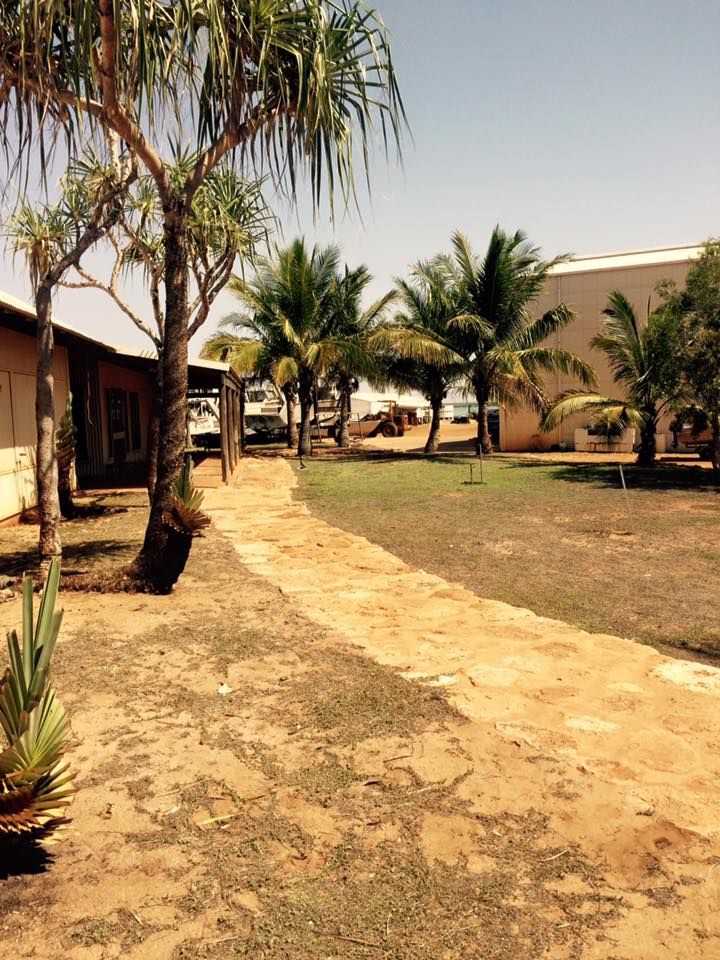
When we arrived, I was struck by the silence. I expected a bustling operation filled with backpackers, but instead, it was just me, Diana (the hatchery manager), and Clare, a technician. The facility, with its large kitchen and multiple rooms, seemed over prepared for such a small team. I learned this beautiful, secluded location had once been the main base for Clipper Pearls but was now used exclusively by the hatchery team. Set on private Aboriginal land, it was a wildlife haven a dream come true for someone like me. The bay was alive with creatures, and every day promised something new and extraordinary.

What is a Hatchery?
The hatchery was essential for Clipper Pearls’ sustainability efforts. This is where oysters were spawned and grown until they were 40–45 days old, at which point they were transferred to sea cages to grow safely, protected from predators.
Working two weeks on and one week off, I found the job overwhelming at first. Coming from an IT background, I had no experience in marine studies, but Diana, my mentor, made the learning process enjoyable. Her knowledge and patience, combined with my enthusiasm, made us a good team.
A significant part of my work was growing microalgae, the main food source for the oyster spawn. We cultivated three key species:
- Isochrysis spp.
- Chaetoceros spp.
- Tetraselmis spp.
Growing algae was far more intricate than I expected. Watching a 200ml starter culture expand into a room full of bubbling flasks was fascinating. Each day began at 6 a.m., with tasks continuing into the evening, especially during spawning season, which was timed with the full moon.

Spawning Season
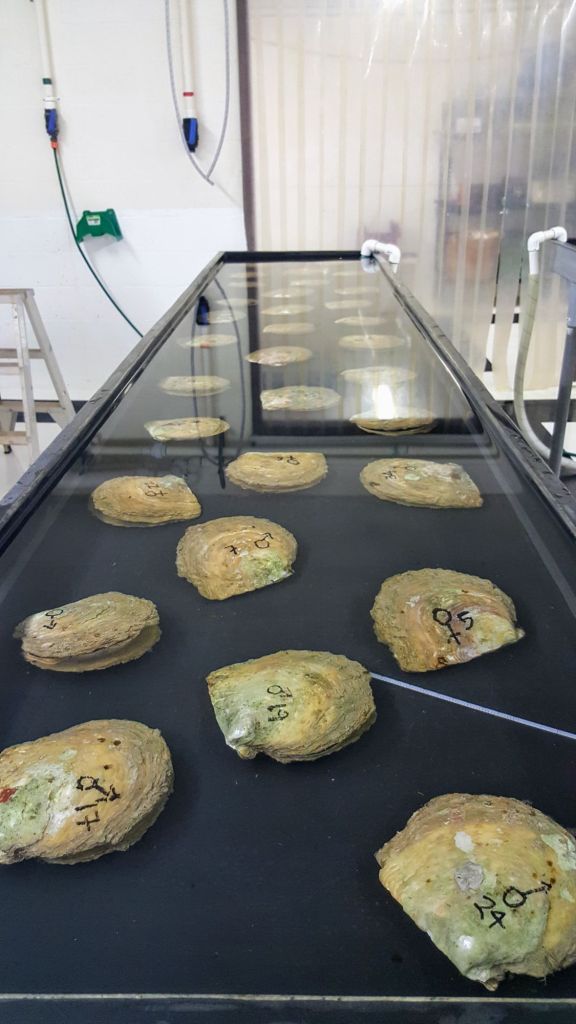
Spawning season was an exciting and exhausting time. Diana and I would board the tender to collect broodstock oysters from the sea farm. We selected the healthiest oysters by examining the females’ gonads and the fullness of the males’ sperm pockets.

Back at the hatchery, we worked in shifts to ensure the oysters were in optimal condition, changing their water hourly and monitoring them for signs of spawning. The moment a male released sperm, I radioed Diana and Clare, and we hurried to collect it, spreading it into other tanks to trigger the females to release eggs.
Collecting fertilized eggs was an intense process. We drained and transferred them into buckets, checking fertility under the microscope. Seeing the tiny, fertilized eggs up close was incredible.

Wildlife Encounters at Beagle Bay
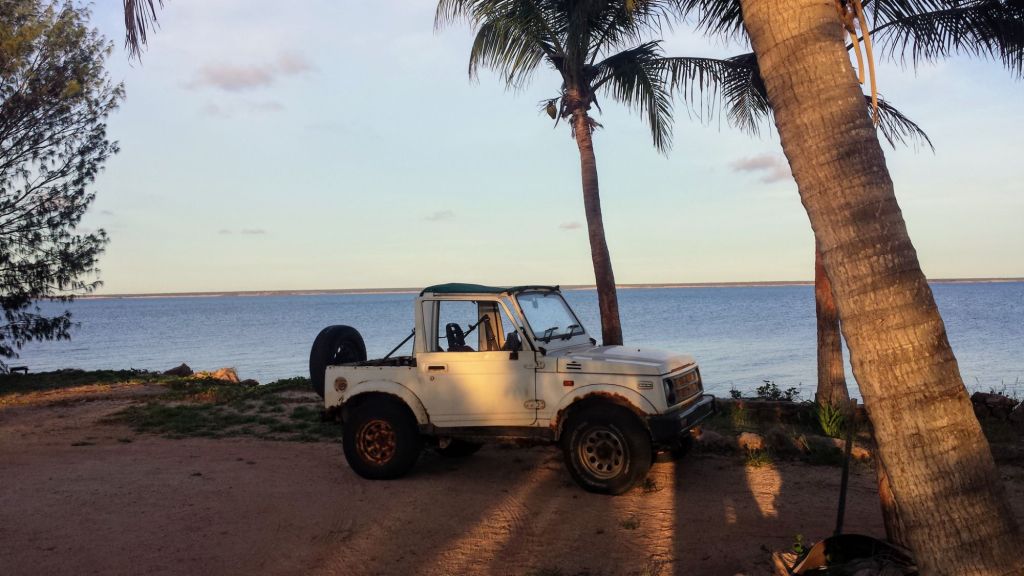
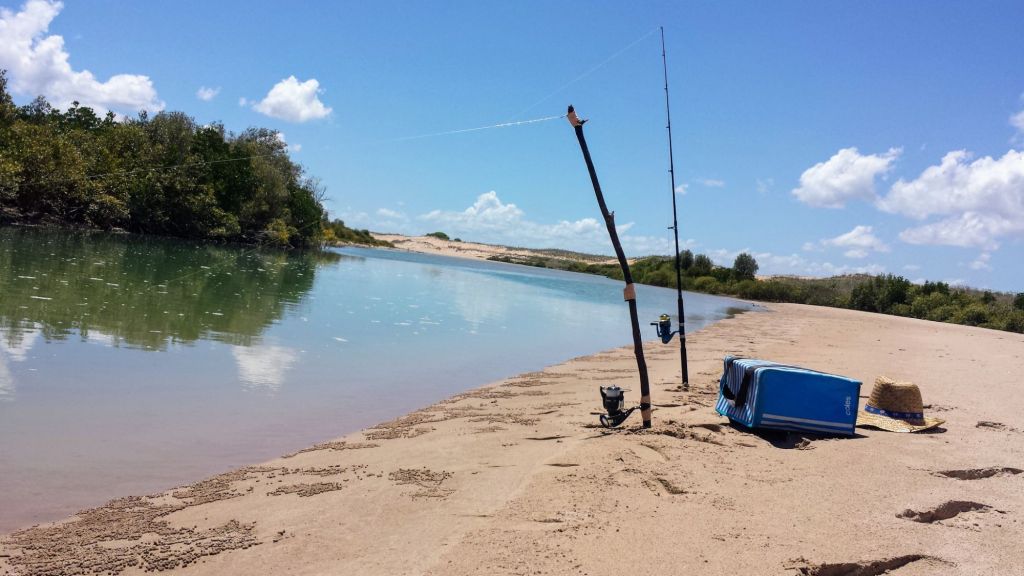
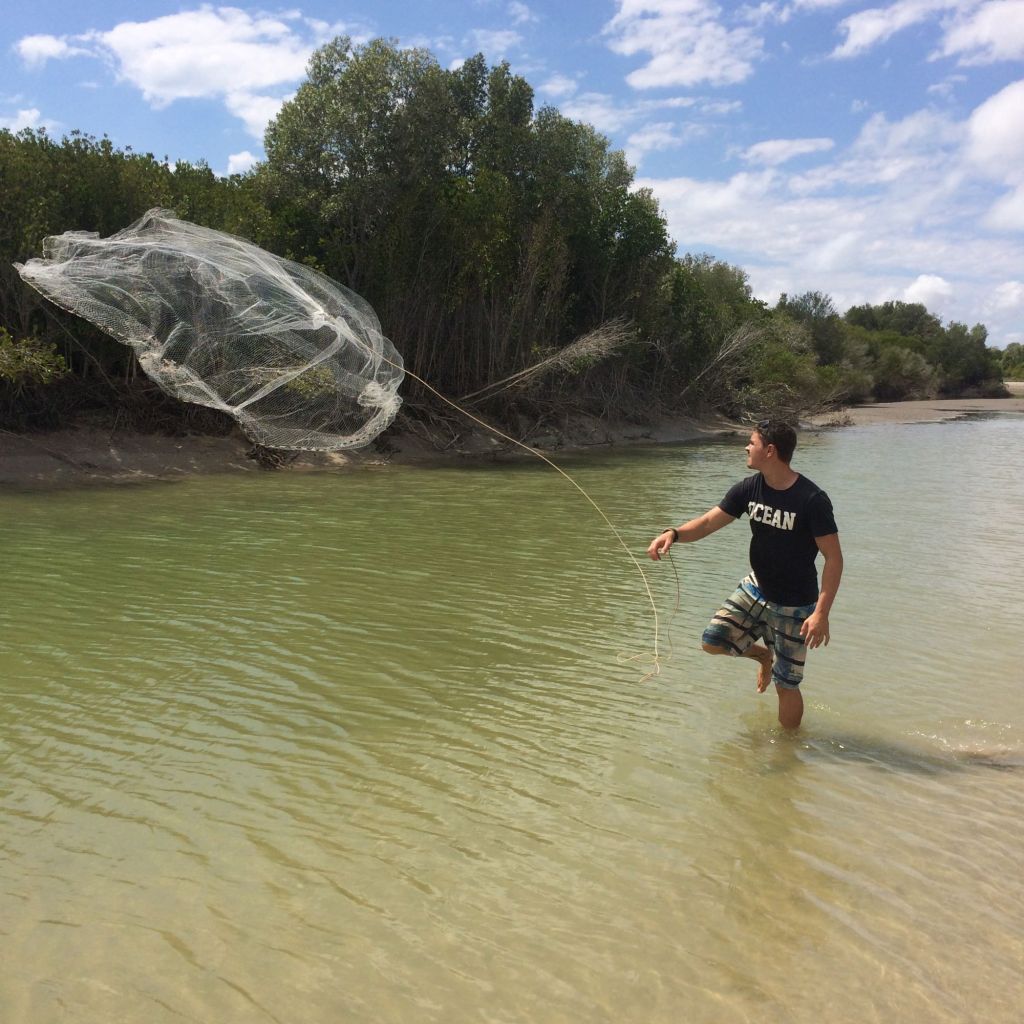
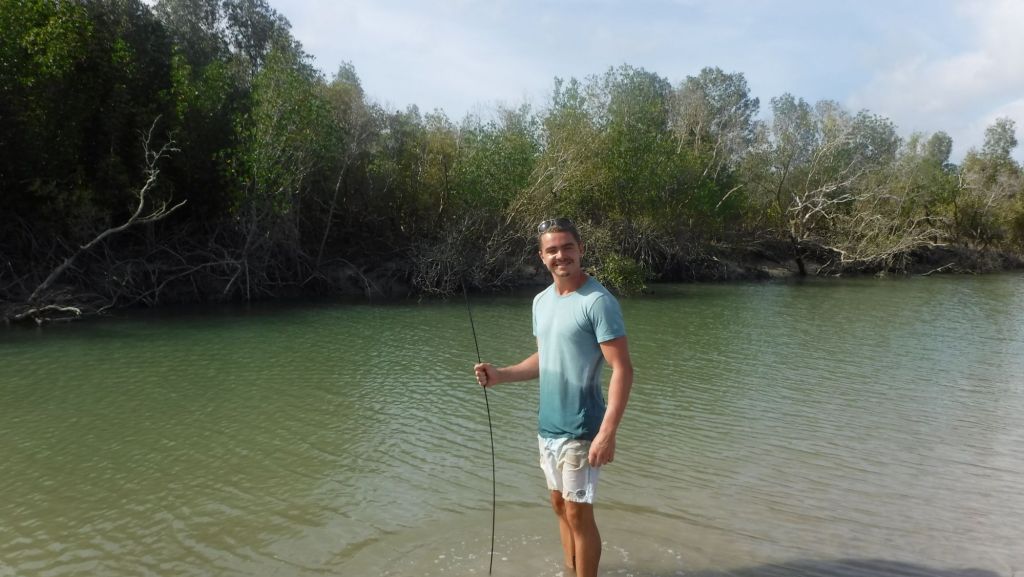
Living at Beagle Bay was an adventure in itself. We had an old ute, a small Suzuki, and a boat for getting around. Fishing became a daily ritual, whether from the camp or the creek. At low tide, I’d walk the mudflats, catching snapper and barramundi from water pockets while watching out for crocodiles and sea eagles eager to steal my catch.
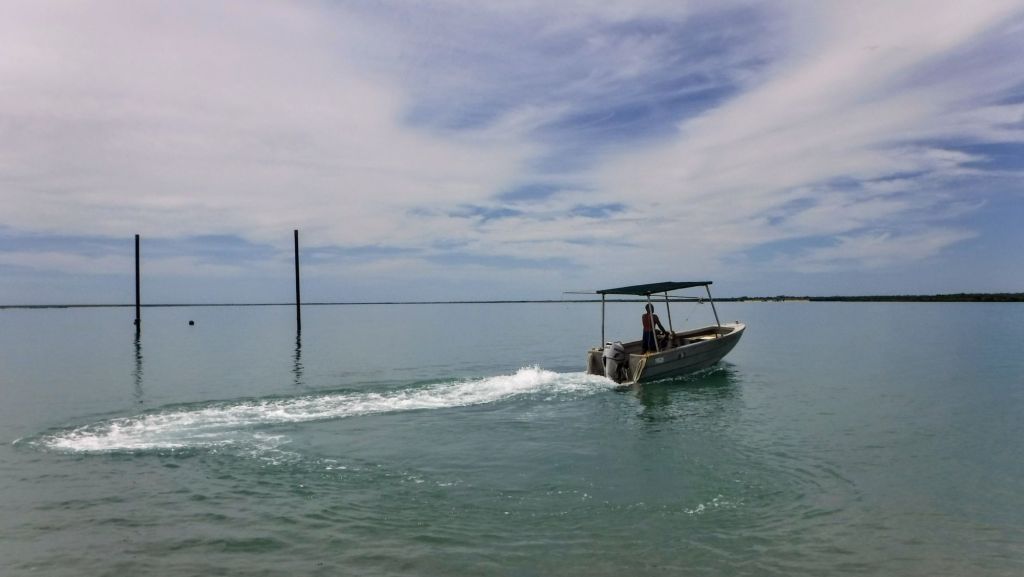
One unforgettable moment was swimming in the bay when a pod of dolphins began hunting a school of mullet. The fish leaped frantically around me, a spectacle of nature I’ll never forget.
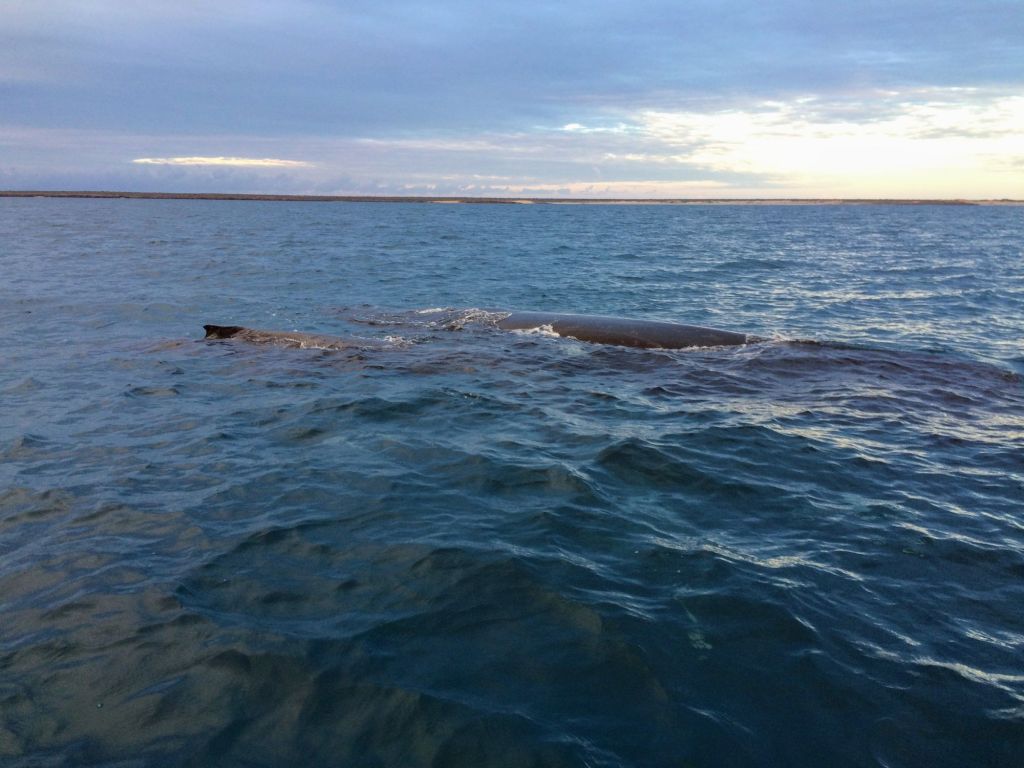
Another highlight was taking the boat out with Diana and finding ourselves in the middle of a humpback whale nursery. The bay was teeming with mothers and calves, putting on an unforgettable display of breaches and tail slaps. At one point, we accidentally drifted close to a massive, motionless whale. Fearing it was unwell, we soon realized it was a mother nursing her calf a truly magical moment.

Life on the Ship
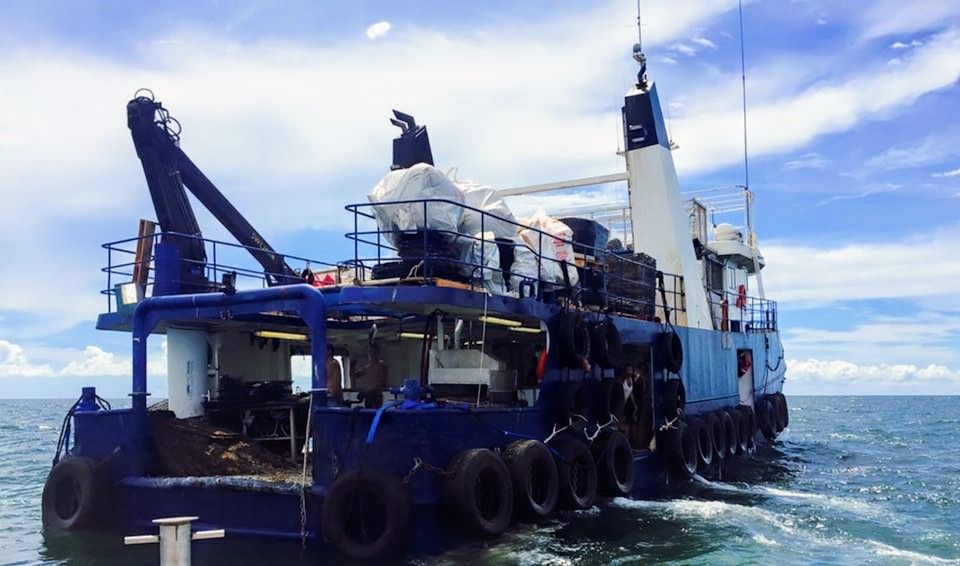
When the hatchery slowed down, I took a job as a deckhand on the mother ship. The work was tough 12 days on, three days off but I quickly bonded with my crewmates. We spent our days pulling up oyster panels, cleaning them.
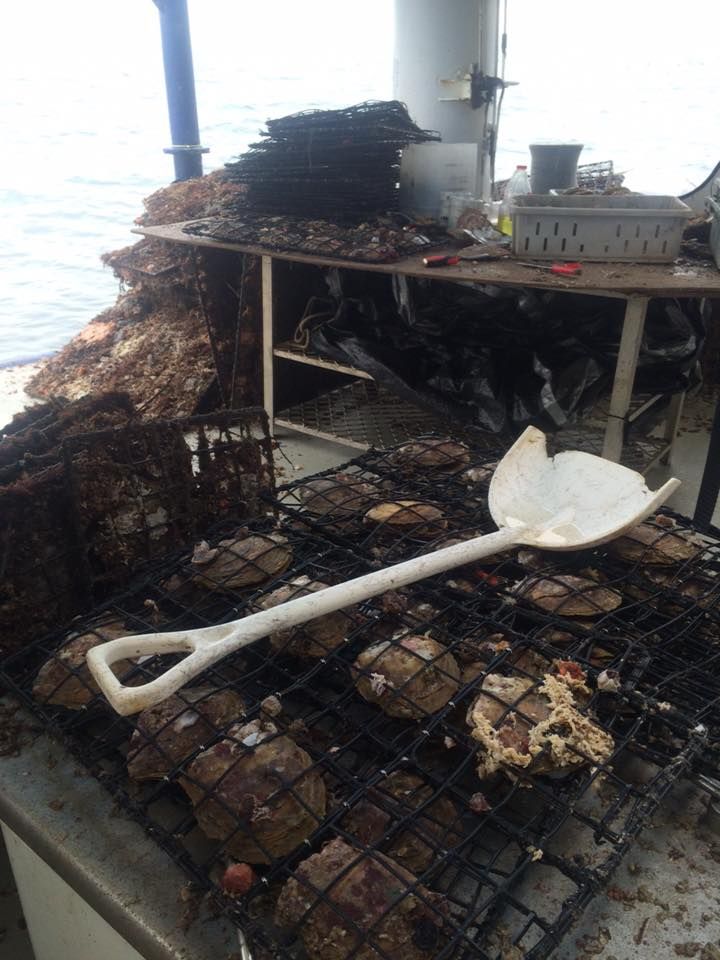
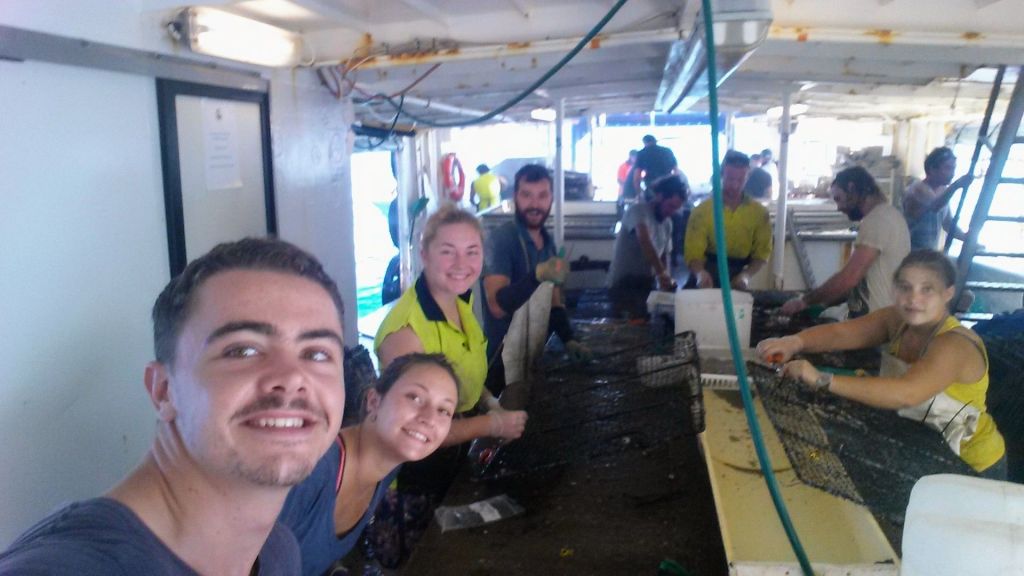
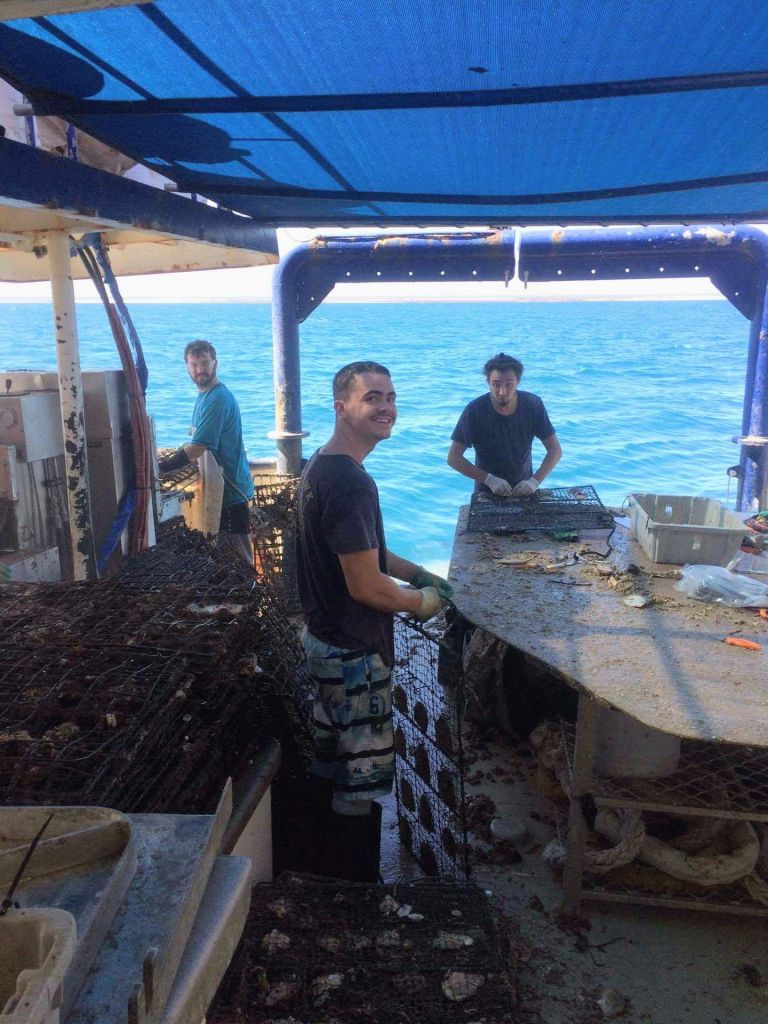
Harvest season brought skilled workers aboard to remove pearls. Watching them work was fascinating; they carefully opened the shells, made a small incision in the pearl pocket, and inserted a nucleus to grow new pearls. One pearl I saw was valued at an astonishing $45,000 AUD.

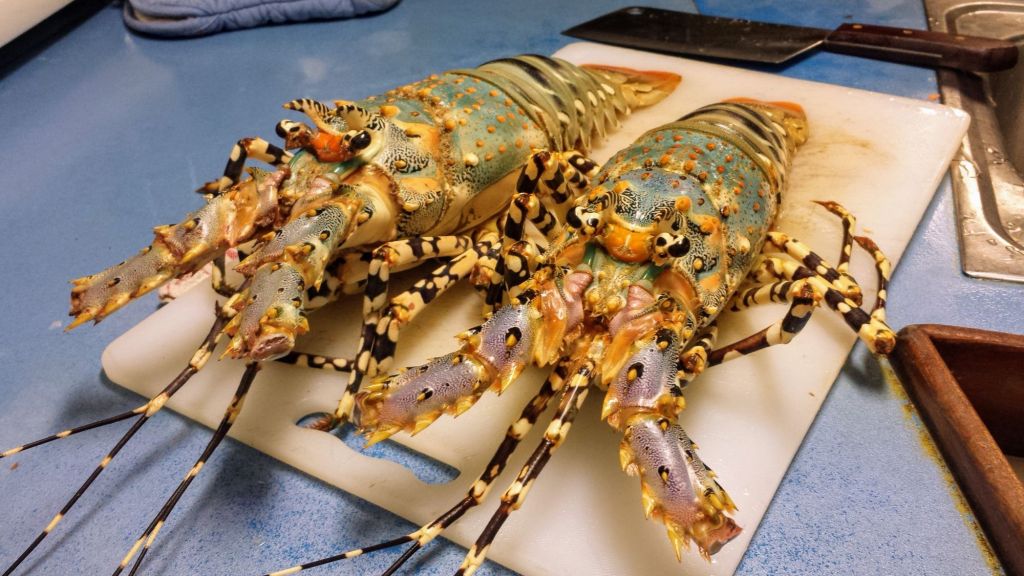
Evenings on the ship were a welcome reprieve. We fished off the back deck, catching Spanish mackerel, cobia, and squid, which the chef turned into delicious meals. Divers brought up fresh crayfish, adding to the feast.


But not every moment was smooth sailing. At the end of one trip I was given the opportunity to stay on board to help out with some maintenance jobs working with the mechanic and one other backpacker. One stormy night, a small boat came loose from its mooring. In the pouring rain and pitch darkness, we tried to retrieve it. With swells crashing around us, the mechanic called off the risky attempt. The boat washed ashore miles away, leaving us to play rock-paper-scissors to decide who would guard it overnight. I won, sparing myself a cold, wet night on the beach.
Returning to the Hatchery
Back at the hatchery, we resumed algae cultivation in preparation for another spawning season. One night, Diana invited her brother and nephew for a fishing trip down the creek. After kayaking to retrieve the boat, we tied the kayak to the anchor and set off for a fun evening of fishing and storytelling.
However, the return trip turned into a nerve-wracking ordeal. Diana forgot to replace the kayak’s drainage cap, and as water seeped in, it became increasingly difficult to steer. Paddling through crocodile territory with the kayak veering dangerously low was terrifying. When we finally reached shore, we both burst into tears of relief.
Wildlife around the camp
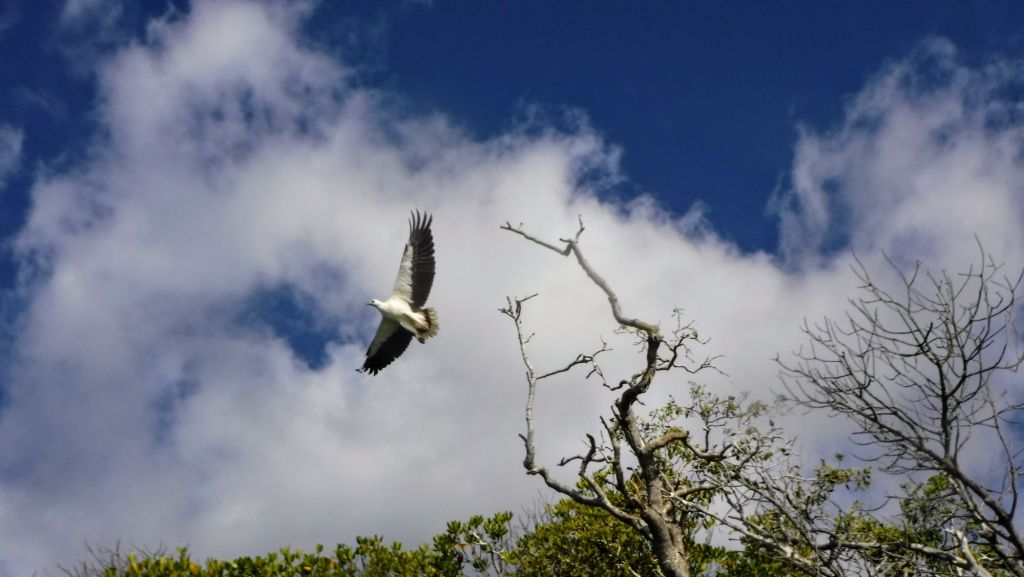
I have many fond memories of feeling wild and free, strolling along the creek when the tide was out. Walking through the mud, I would catch snapper and barramundi from the pockets of water left behind by the low tide. I often kept an eye on the ospreys hovering nearby, ready to swoop in and snatch my catch.
The camp had its own unique residents. An olive python made its home in the plumbing, always keeping us guessing about where it might appear next. As a reptile lover, I welcomed this friendly local visitor with open arms.

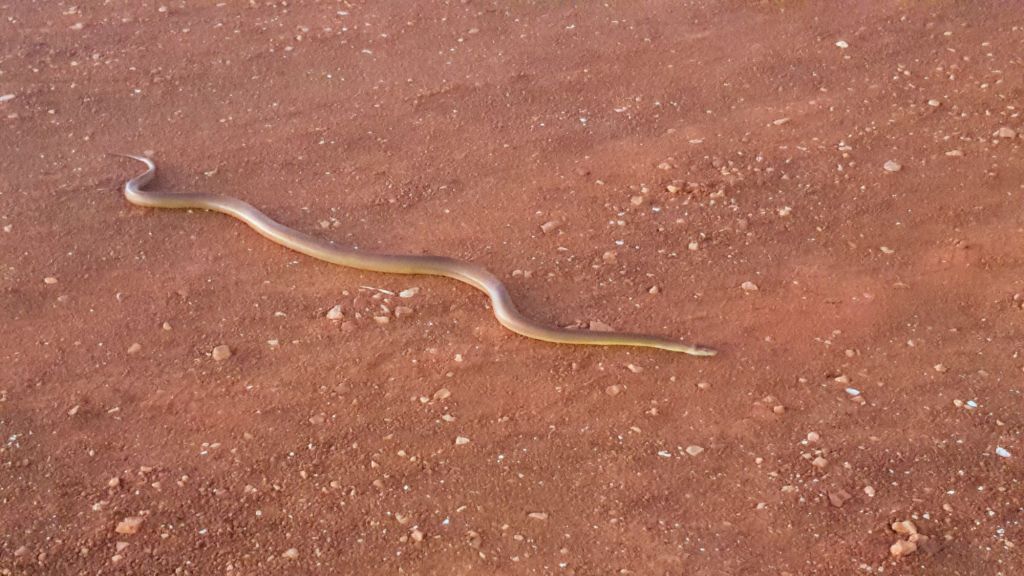
However, not all encounters were as pleasant. A deadly brown snake also frequented the area, reminding us to stay vigilant in this untamed environment.

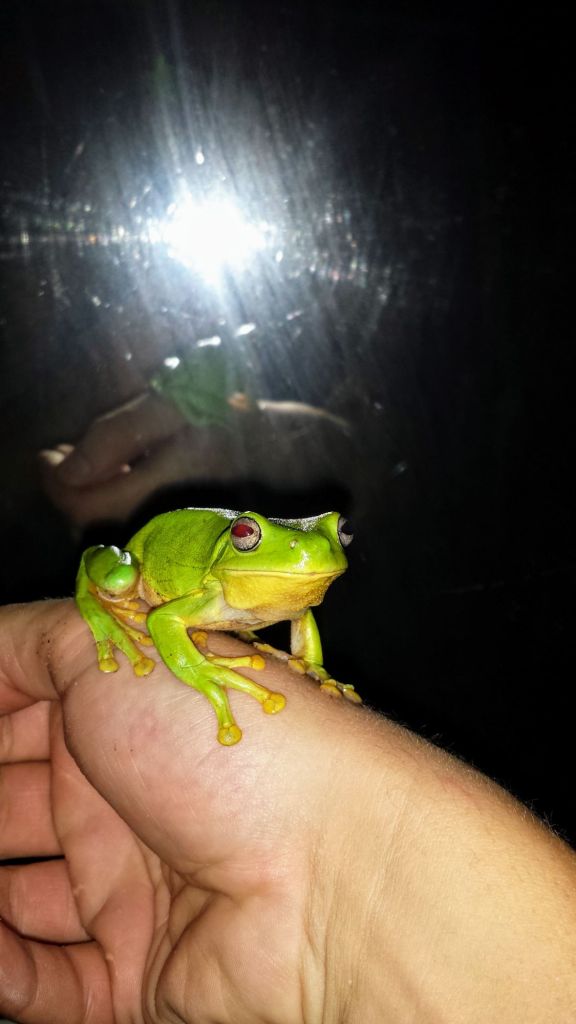
Sharing the bathroom with the green tree frogs became part of the daily routine. Every evening, as I brushed my teeth, they would boldly pop their heads out of a hole in the wall, completely unfazed by my presence. Their fearless charm added a touch of humor and wonder to camp life.
A Farewell to Beagle Bay
After eight months, my time at Clipper Pearls came to an end. From the adrenaline of spawning season and the wild beauty of Beagle Bay to the camaraderie aboard the ship, every moment left an indelible mark on me.
This experience taught me resilience, teamwork, and the value of living close to nature. As I said goodbye to Diana and the team, I knew these memories would stay with me forever. I hope one day to return to Beagle Bay and reminisce about these wild, wonderful adventures.

You can watch my journey into pearling on my YouTube channel
 itsawildlife.blog
Leave a comment