
Indonesia’s Last Traditional Whale Hunters
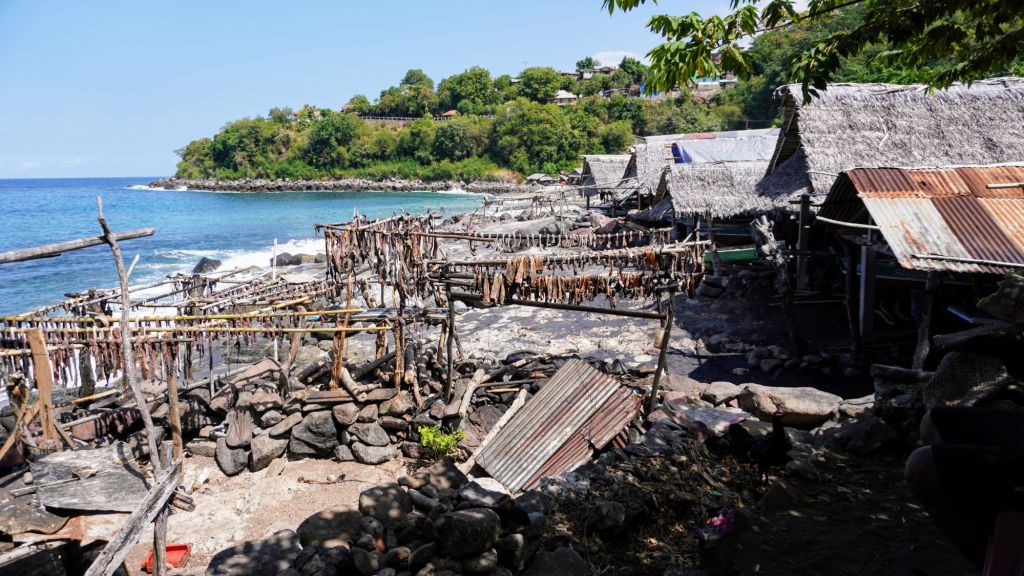
Nestled on a remote island in Indonesia, the village of Lamalera offers a glimpse into a vanishing way of life. Known for its traditional hunting practices, Lamalera’s community relies on the ocean for survival, hunting sperm whales, manta rays, orcas, turtles, and whale sharks using methods passed down through generations. During my visit, I witnessed this extraordinary tradition firsthand and captured moments that highlight both the culture and challenges of life on this island.
A Mixed Welcome
As I wandered along the black sand beach, I couldn’t shake a sense of unease. Being a Westerner documenting such a raw and controversial tradition with my camera, I wondered if my presence was unwelcome. In the distance, I noticed a man standing in front of a small house perched on rocks above the beach. He was waving his arm. At first, I couldn’t tell if he was beckoning me closer or asking me to leave. Not wanting to seem disrespectful, I decided to approach him.
As I climbed the rocks, he gestured for me to sit on a weathered whale vertebra. His face was serious, and he spoke no English, leaving me unsure of his intentions. Moments later, he disappeared into his hut and returned with someone else. They sat with me, attempting to communicate. Thankfully, modern technology came to the rescue Google Translate. Using the app, we began exchanging words, and he shared that they rarely have visitors in Lamalera.
Soon, his wife emerged with a cup of local coffee, offering it to me with quiet hospitality. As we sat sipping coffee, he recounted their recent hunts: one turtle, a small whale shark, and a few manta rays over the past three days. Hearing this was difficult. As someone who cherishes wildlife, learning about the fate of these peaceful creatures felt bittersweet.
Before I left, he surprised me with a gift three orca teeth, remnants of previous hunts. He handed them to me with a solemn expression, saying they were a token of thanks for visiting their home. To this day, I keep these teeth as a tangible reminder of Lamalera, its people, and the complex emotions I felt during my time there.
This unexpected encounter stayed with me, offering a deeper understanding of the villagers’ way of life and their connection to the ocean a culture steeped in survival and tradition, but one that leaves visitors with much to ponder.
A Whale Shark Celebration
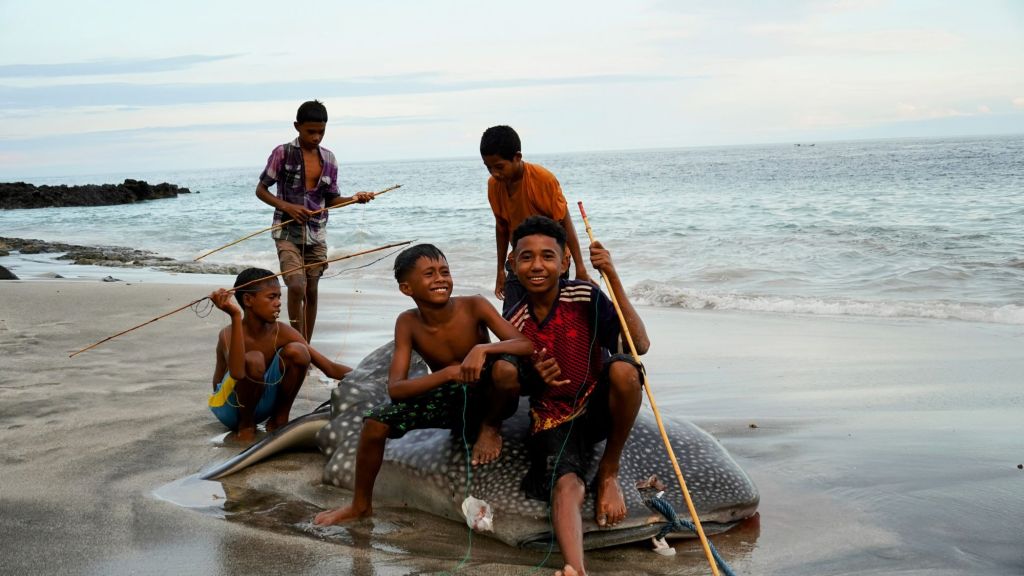

The day I arrived, the entire village was buzzing with excitement they had successfully caught a whale shark. I watched as men hauled the massive creature onto the black sand beach. Children squealed with delight, running alongside as chunks of white meat were scattered across the sand for cutting and preserving. The sense of community was palpable as everyone played their part in preparing the meat for drying. This is no ordinary hunt; it’s a celebration, a ritual deeply rooted in survival and tradition.


The Boats and Their Legacy
Lamalera’s hunters use handcrafted wooden boats known as peledang, a tradition that has withstood centuries. These boats, made without modern machinery, are a testament to the villagers’ craftsmanship and resourcefulness. Out at sea, I captured a breathtaking drone shot of one boat pulling in a manta ray, its enormous body tied securely as the hunters prepared for the rough journey back to shore. Navigating the choppy waters in these small vessels is no small feat, requiring both skill and bravery.
Traditions of the Hunt
The villagers’ connection to the ocean goes beyond the physical. The hunts are guided by rituals and respect for the sea, a balance between taking and giving. The meat is never wasted most of it is hung to dry under the sun, ensuring it lasts for months. This preservation method is vital for a community that relies on the ocean’s bounty to survive.
Spotting the Next Hunt

One of the most striking images I captured was of a local man sitting on a sperm whale vertebra, binoculars in hand, scanning the horizon. His calm focus epitomized the patience and skill these hunters need. Spotting the next hunt is a critical part of their livelihood, and every successful trip strengthens the bond between the villagers and the ocean.
A Striking Sight on the Beach
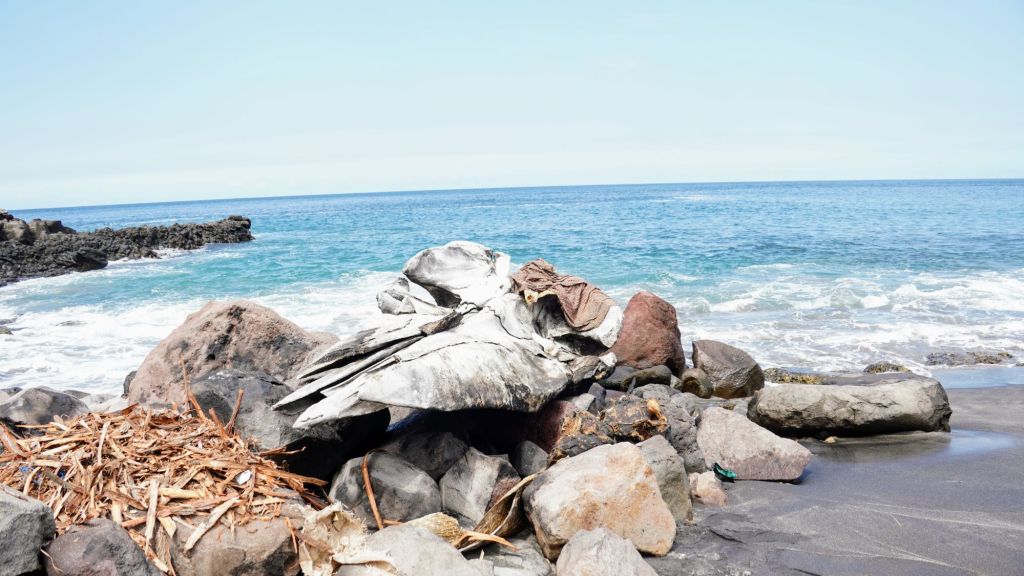
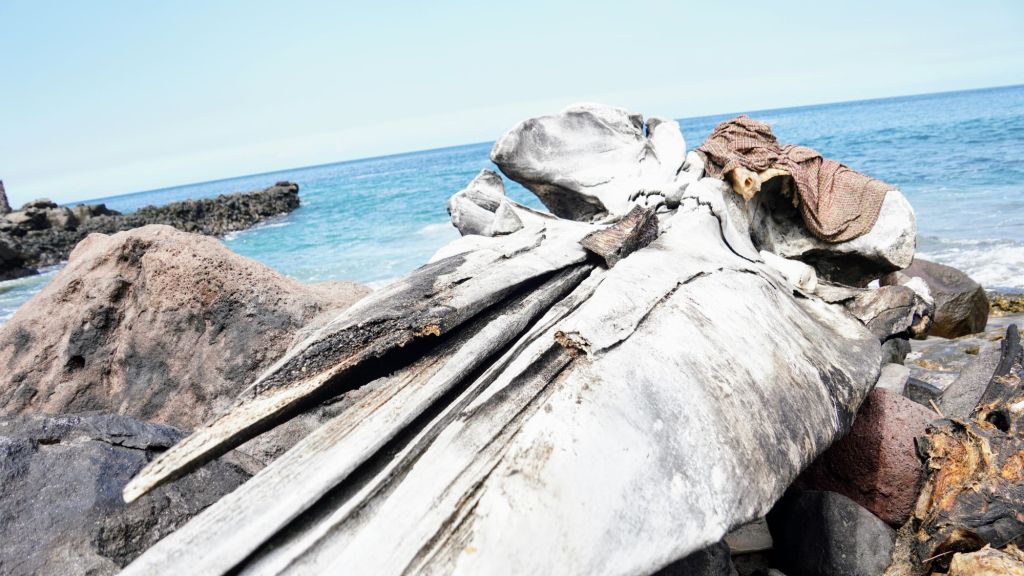
One of the most unforgettable sights on Lamalera’s black sand beach was the massive skull of a sperm whale. Bleached by the relentless sun, its size was awe inspiring, a haunting reminder of the scale and power of these majestic creatures. The deep grooves and hollow eye sockets told a silent story of the ocean’s mysteries and the centuries-old hunting traditions of this village.
The skull seemed to command respect, resting quietly on the beach as if standing guard over the community’s way of life. It was impossible to ignore the emotions it stirred admiration for the villagers’ resourcefulness and a pang of sadness for the creature that had once navigated the depths of the ocean. For the people of Lamalera, this skull wasn’t just a relic; it was a symbol of their connection to the sea, a testament to the balance they strive to maintain between life and survival.
Living in Lamalera
While the hunting culture fascinated me, daily life on the island was a challenge. The accommodations were simple, with no fan or air conditioning, and the meals were far from what I was used to. Breakfast consisted of strong local coffee and sweet biscuits a stark contrast to the more substantial meals I craved. Yet, these discomforts were a small price to pay for the opportunity to witness and document such an extraordinary way of life.
Lamalera is a place like no other a testament to human resilience, tradition, and the enduring connection between people and nature. Through my photos, I hope to share the story of this incredible village and its unique way of life. Keep an eye out for my upcoming YouTube video, where I’ll take you even deeper into the heart of Lamalera’s traditions and its people.
 itsawildlife.blog
Leave a comment